

Bridging The Nature Deficit
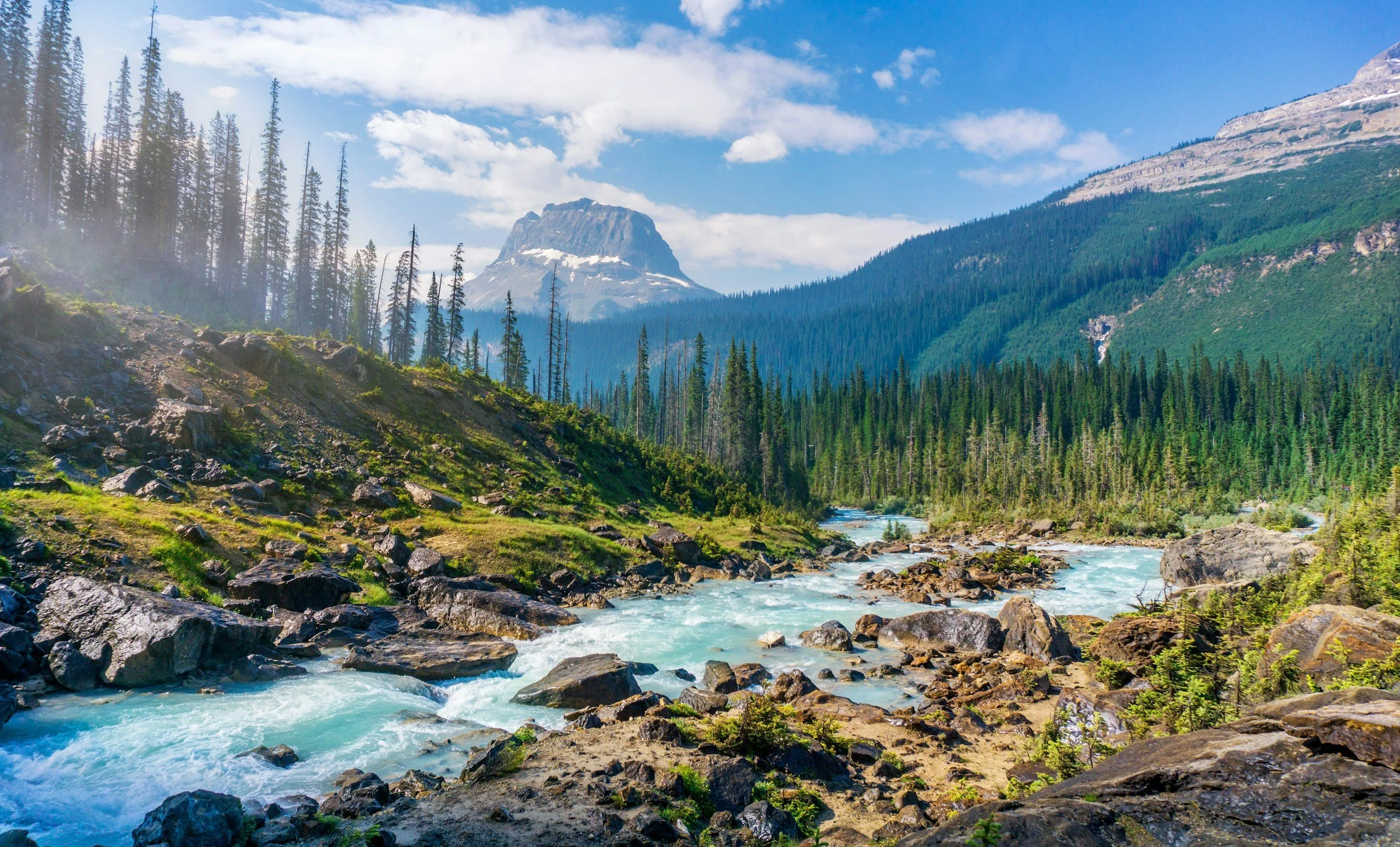
We created this program because people rarely fight to protect something they have never learned to love. This program is meant to help people recognize that protecting nature is not simply about “saving wildlife”, it is about protecting the environmental systems that sustain human life itself.
Many environmental initiatives begin with statistics, warnings, and discussions about climate change, biodiversity loss, habitat destruction, and environmental decline. While these issues are urgent, they often feel distant to people who have never developed a meaningful connection with the natural world.
Bridging the Nature Deficit takes a different approach by helping people discover that the natural world is not something distant or separate from their lives. Through meaningful experiences with wildlife, nature, and conservation, participants gain a deeper understanding of how healthy ecosystems support the air we breathe, the water we drink, the food we eat, and the quality of life we all depend on—whether we live in a city, suburb, or rural community.
Through meaningful experiences with animals, wildlife, and nature, we help participants build personal connections that transform conservation from an abstract concept into something worth protecting.
When people care, they learn.
When they learn, they understand.
When they understand, they act.
Our mission is simple: create the connection that inspires conservation.
Workshop Overview
Many people care deeply about access to clean water, affordable food, healthy communities, and a secure future for their families. Bridging the Nature Deficit helps participants understand that all of those things are connected to the health of the natural world.
Bridging the Nature Deficit is an interactive educational experience designed to reconnect people with the natural world through wildlife encounters, conservation education, and hands-on learning.
Participants explore topics such as:
• Wildlife adaptations and behavior
• Biodiversity and ecosystem health
• Human impacts on wildlife and habitats
• Conservation challenges and solutions
• Responsible environmental stewardship
• The role animals play in inspiring conservation action
Depending on the program format, participants may engage with animal ambassadors, observe wildlife behaviors, participate in conservation-focused activities, and explore how healthy ecosystems directly influence clean water, food systems, public health, and quality of life.
The workshop is designed for individuals, schools, community groups, businesses, and organizations seeking meaningful environmental education that is engaging, memorable, and action-oriented.
By the end of the experience, participants leave with a deeper understanding of the natural world and practical ways they can make a positive difference within their own communities.
What Are Natural Systems and Why Should You Care?
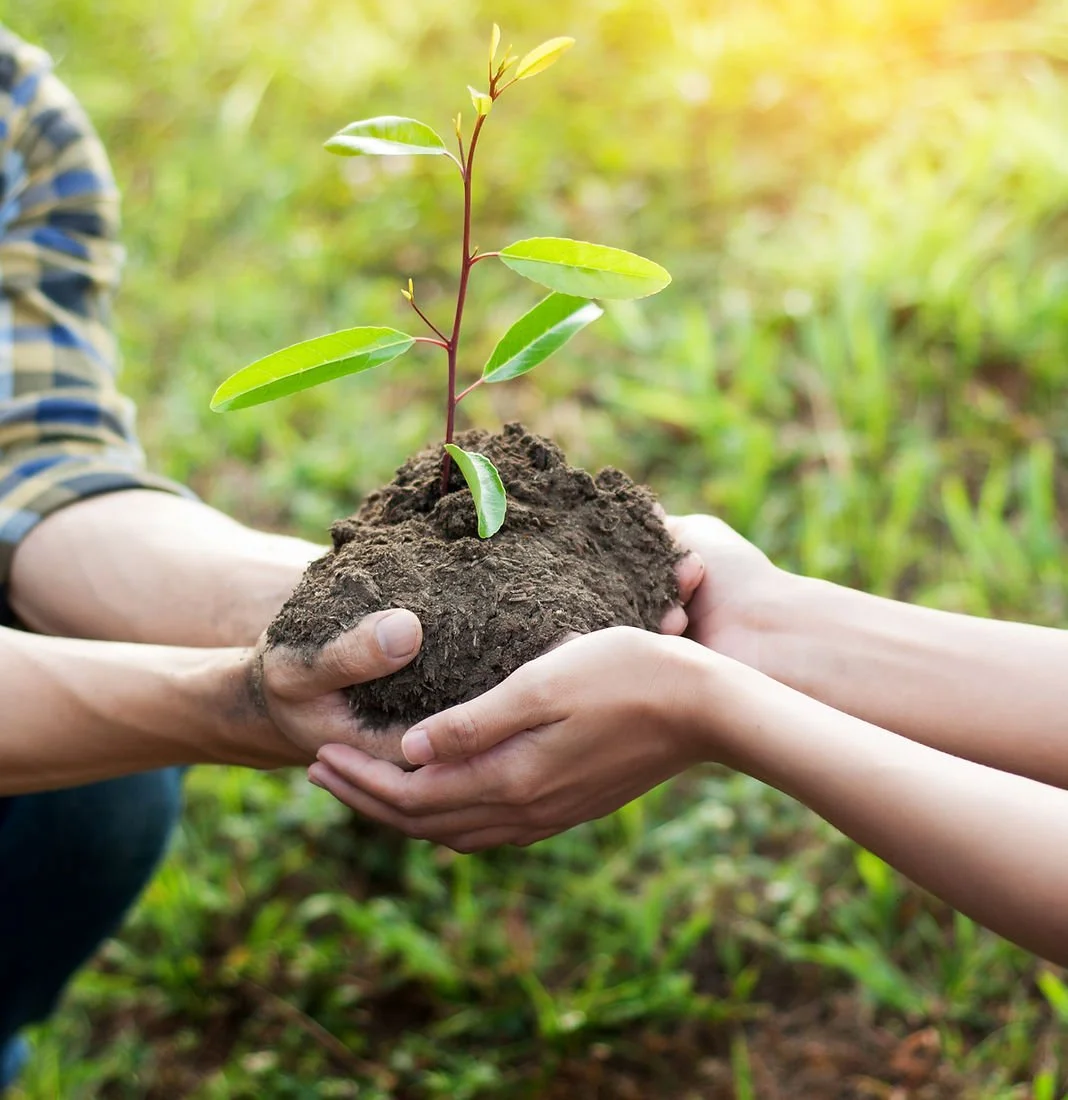
Natural systems are the interconnected plants, animals, insects, forests, wetlands, rivers, oceans, soils, and environmental processes that make life possible. Most people rarely think about them, yet they provide the clean air we breathe, the water we drink, the food we eat, pollination for crops, flood protection, climate regulation, and countless other benefits that support our daily lives.
When natural systems become damaged or degraded, the effects are eventually felt by people through declining water quality, food insecurity, economic losses, increased natural disasters, biodiversity loss, and public health challenges.